

The Nature of Luck in Gambling
Luck is an intrinsic component of casino games, influencing outcomes in ways that can often seem mysterious. In essence, luck refers to the unpredictable nature of chance that can lead to either winning or losing. This uncertainty defines the very essence of gambling; every spin of the roulette wheel or flip of a card carries an unpredictable result, creating an exciting atmosphere that draws players in. Many enthusiasts enjoy reading about strategies that enhance their experience, including discussions on the importance of understanding the column dynamics of luck. The thrill of relying on chance can be both exhilarating and nerve-wracking, as it keeps players engaged.
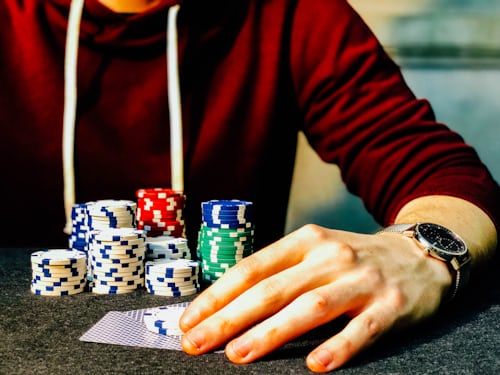
For many players, the allure of gambling lies in the hope that luck will be on their side. Stories of individuals who hit the jackpot or experienced sudden fortune abound, fueling the belief that luck can turn their fortunes around instantly. The random aspect of these games fosters an environment where anything is possible, and this unpredictability is fundamental to the appeal of casinos. While strategy and skill can play roles in some games, the element of luck often overshadows them, making every round a unique experience.
Moreover, the impact of luck is not merely limited to individual players; it extends to the broader patterns and trends in gambling as well. Statistical outcomes over time reveal that, despite strategic approaches, luck often determines the game’s momentum. For instance, a player’s winning streak may be attributed more to favorable luck than to skill, emphasizing the randomness associated with casino games. The stories and myths surrounding lucky numbers, cards, or even rituals serve to highlight the human desire to connect with luck on a deeper level.
Skill versus Luck in Casino Games
In discussing casino games, a common debate arises about the relative importance of skill versus luck. While certain games, such as poker, rely heavily on players’ skill and strategies, ultimately, luck plays a crucial role in determining outcomes. In poker, for example, a player may be skilled in calculating odds and bluffing, but the hand dealt initially is entirely based on chance. This highlights a significant aspect of gambling: even the most skilled players cannot predict or control the luck of the draw.
On the other hand, games of chance like slots or roulette are predominantly governed by luck, making it impossible for players to influence outcomes through skillful tactics. In these instances, players must accept that their fate is in the hands of automated systems and random number generators. Casinos design these games to ensure that, regardless of player strategy, luck remains a vital component that dictates the outcome, which is part of their appeal and excitement.
Understanding the interplay between skill and luck is essential for players. Those who primarily rely on their skills may find themselves frustrated when luck does not favor them, while players who embrace the role of luck can find enjoyment in the unpredictability of the experience. Ultimately, the best gambling strategies often involve recognizing when to rely on skill and when to accept the role of chance, creating a well-rounded approach to the games.
The Psychological Effects of Luck on Players
The psychological impact of luck on players in casinos is profound. Many gamblers develop a belief in luck that influences their behavior, often leading to superstitions or rituals they believe can improve their chances. For example, some players might wear specific clothing or follow particular routines before placing bets, convinced that these practices will bring them good fortune. Such behaviors demonstrate how powerful the notion of luck can be in motivating players, even when those beliefs are not founded in reason.
Moreover, the ups and downs of luck affect players’ emotions and decision-making processes. A series of fortunate outcomes can create a sense of euphoria, making players more likely to continue betting, sometimes leading to riskier choices. Conversely, a streak of bad luck can lead to frustration or disappointment, prompting players to chase losses in an attempt to recoup their fortunes. This emotional rollercoaster illustrates how luck can shape the gambling experience, impacting not only the immediate outcomes but also the overall enjoyment of the game.
Furthermore, understanding the psychological relationship between players and luck is essential for casinos themselves. Many establishments create environments that enhance the feeling of luck, employing vibrant colors, enticing sound effects, and celebratory interactions to foster a sense of excitement. This attention to the psychological aspects of luck not only attracts more players but also encourages them to return, aiming for another favorable turn of fate. The casino experience is thus intricately linked to how players perceive and engage with luck.
The Role of House Edge and Luck
The concept of house edge is critical in understanding the dynamics of luck in casino games. The house edge represents the mathematical advantage that a casino holds over players, ensuring that the odds are always in favor of the establishment over time. This means that while individual players may experience winning streaks due to luck, the casino’s strategic design ensures that luck cannot sustain a long-term winning scenario for the players. Understanding this can help players approach gambling with a more realistic perspective on luck.
The house edge thus interacts with luck in interesting ways. In the short term, players might experience bouts of good luck that can lead to substantial wins; however, over the long haul, the house edge inevitably returns profitability to the casino. This reality underscores the importance of recognizing that luck can be fleeting. Players are often enticed by the moments of success, but the mathematics of the game guarantees that luck alone will not ensure lasting success.
Acknowledging the role of house edge allows players to engage more responsibly with their gambling experiences. Rather than relying entirely on luck for consistent success, understanding the statistical principles behind games can lead to more informed choices. Players can enjoy the thrill of luck while remaining aware of the underlying rules governing the games they play, ultimately leading to a balanced and enjoyable approach to casino gambling.
Exploring the Casino Experience
The casino environment itself is designed to enhance the role of luck in the gaming experience. From the dazzling lights to the sounds of spinning reels and shuffling cards, every aspect of a casino is crafted to generate excitement and anticipation. This immersive experience emphasizes the thrill of the unknown, where players dive into games with the hope that luck will favor them. The atmosphere plays a crucial role in heightening emotions and reinforcing the connection between players and luck.
Casinos also incorporate various promotions and bonuses that hinge on the element of luck. Events such as lucky draws or jackpot opportunities encourage players to participate in hopes of winning additional prizes. This reinforces the idea that luck can lead to unexpected rewards, enticing players to try their hand in a variety of games. As a result, luck becomes an integral part of the overall experience, enhancing engagement and the potential for memorable moments.
Ultimately, understanding how luck plays a significant role in casino games allows players to appreciate the unique blend of chance and skill. The casino experience is not just about winning or losing; it’s about the thrill of playing, the social interactions, and the excitement of unpredictable outcomes. Whether it’s the buzz of shared victories or the anticipation of a game, luck remains a central theme that defines the essence of gambling, making it an unforgettable adventure.
